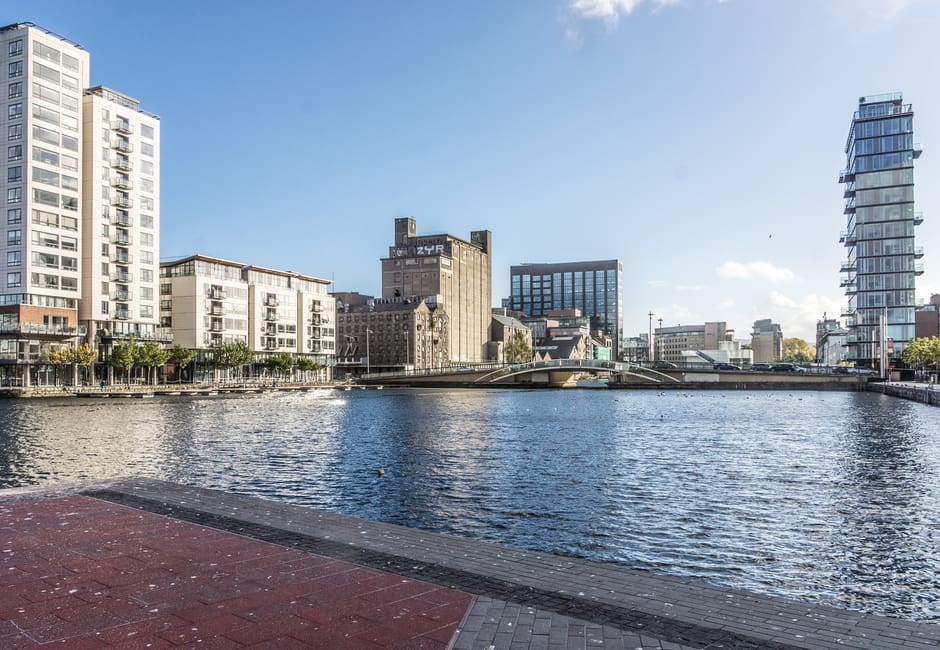
Dublin Travel Tips: Airport to City, Leap Card and Getting Around
How to get from Dublin Airport to the city, which Leap Card to buy, what the 90 minute fare and daily cap cost, and how to use the Luas, DART and buses.
The quickest way from Dublin Airport to the city centre is a coach, because the airport has no train. Dublin Express and Aircoach both leave from outside Terminal 1 and Terminal 2, and Aircoach says its 700 and 700X run 24 hours. Taxis cost the most. Once you’re in town, a single TFI Leap Card covers Dublin Bus, the Luas tram, DART and suburban trains, and its fare cap means a busy day of hopping on and off costs no more than €6.00 for an adult. Most visitors need only that card and their feet.
The short version: take a coach or bus from the airport, buy a Leap Card, tap on and off every time you should, and walk the centre. Fares and rules below come from the operators and Transport for Ireland.
When you’ve landed, where to stay in Dublin covers the areas and things to do in Dublin covers the sights. The map shows both.
Airport to city centre
Coach or bus is the usual advice. Taxis cost the most.
There are three realistic options. If you’re searching for the cheapest way, Aircoach’s online fares start from €6 one way, and a Leap Card on Dublin Bus routes 16 and 41 is the other low-cost choice. A taxi is the dearest.
| Option | What the operator says |
|---|---|
| Dublin Express | Routes 782, 783, 784 and 785 to stops across the centre, including Trinity College, Aston Quay, the Custom House and Heuston Station. The site claims the city in as little as 14 minutes and a departure every 7.5 minutes. Two 20kg bags plus one soft hand bag are included. |
| Aircoach | Routes 700 and 700X to O’Connell Street, O’Connell Bridge and Kildare Street, and 702 to Ballsbridge and Dalkey. The 700 and 700X run 24 hours, as often as every 15 minutes. Online fares start from €6 one way or €8 return. |
| Taxi | Dublin Airport says taxis wait outside both terminals at all times and the meter sets the fare by distance, day and time. It estimates €30 to €45 to Dublin city. |
Both coach companies pick up outside Terminal 1 and Terminal 2. Aircoach gives 20 to 40 minutes for the trip, depending on traffic. Dublin Express posts service updates about temporary city centre stop closures, so check its stop finder before you travel.
Bus or shuttle from the airport
The coaches are the airport shuttle most people mean. Dublin Express (routes 782 to 785) and Aircoach (700, 700X and 702) are separate companies, so compare the stops before you pick. Dublin Express serves Trinity College, Aston Quay, the Custom House and Heuston Station. Aircoach serves O’Connell Street, O’Connell Bridge and Kildare Street, with the 702 going to Ballsbridge and Dalkey.
Dublin Bus routes 16 and 41 also serve the airport, and the TFI Leap Card works on them. Check dublinbus.ie for fares and timetables before you choose a route.
The Leap Card
The TFI Leap Card is a rechargeable card that pays fares on Dublin Bus, Luas, DART and suburban trains. Leap’s own page says its fares are up to 30% cheaper than cash single tickets. Tap on every time you board.
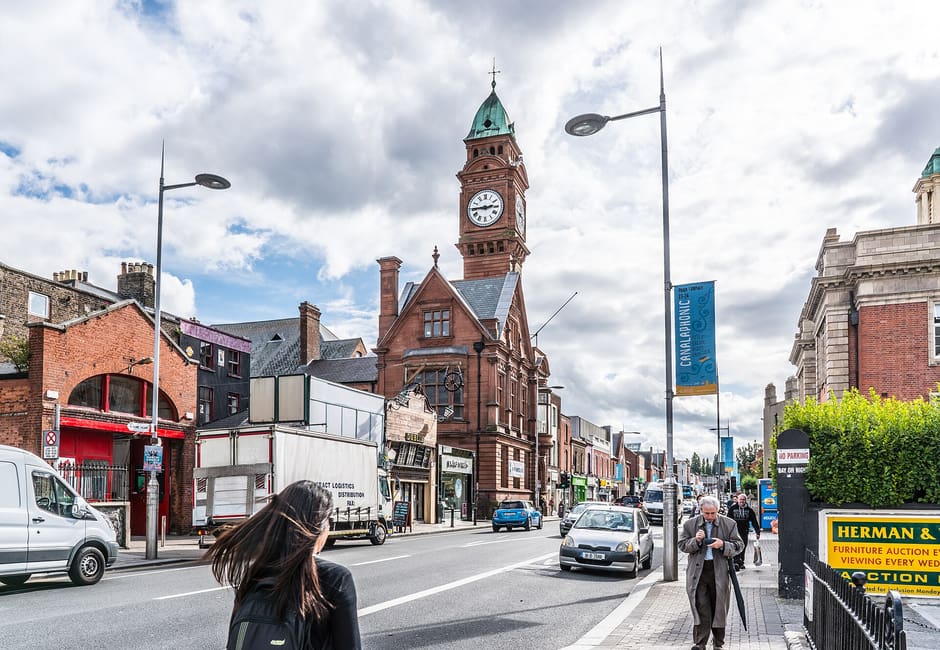
Visitors have two ways to use it.
- Leap Visitor Card. Unlimited travel on Dublin City bus services (Dublin Bus and Go-Ahead Ireland), Luas, and DART and Commuter Rail in Dublin. A 1 day (24 hour) card is €8.00, a 3 day (72 hour) card is €18.00 and a 7 day (168 hour) card is €24.00. The clock starts the first time you use it. It isn’t valid on hop on, hop off tours or Bus Éireann.
- A standard Leap Card with credit on it. Fares are lower than cash, the TFI 90 minute fare applies, and daily and weekly caps keep the total down.
The Visitor Card is posted to a home address if you order it online, so it isn’t an instant e-ticket. It’s also sold at the Dublin Airport WHSmith in Terminal 1 (24 hour cards) and the Spar in Terminal 2, and at several city centre shops including the Dublin Bus office at 59 Upper O’Connell Street and the GPO.
The 90 minute fare and daily cap
With a standard adult Leap Card, the TFI 90 minute fare is €2.00. Young adults (19 to 25) and students pay €1.00 and children (5 to 18) pay €0.65. It covers Dublin Bus and Go-Ahead Ireland city buses, the Red and Green Luas lines, and DART and suburban rail within Zone 1. You pay at your first tap and every other eligible journey inside 90 minutes is included, as long as you tap on for each one. Express and Nitelink services cost €2.40 for adults.
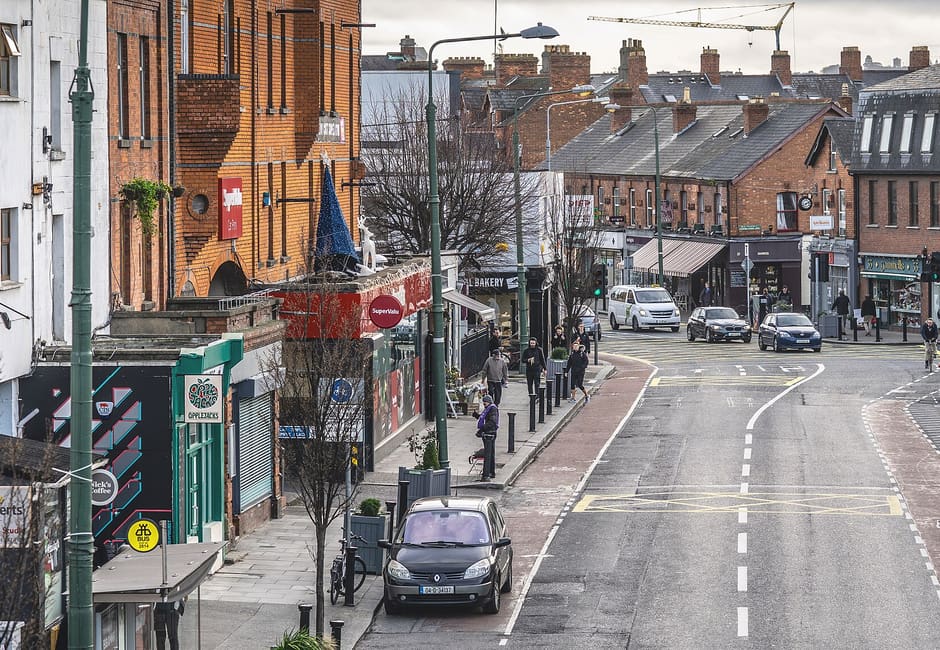
Fare caps apply on top. In the Dublin area an adult pays at most €6.00 a day and €24.00 a week from Monday to Sunday. A capping day runs from 4.30am to 4.29am, so late-night travel stays on the same day. Once you reach the cap the rest of your eligible travel in that period is free. The Visitor Card’s 7 day price of €24.00 equals the weekly cap, so for a week in Dublin a standard card with capping costs no more and doesn’t need to be ordered in advance. For one or two days the cap is the cheaper route if you travel little.
Luas, DART and buses
- Luas. The tram has Red and Green lines. Tap on at the platform validator before you board and tap off after you get off, on each line. Forgetting to tap off charges you the maximum fare, and travelling without a valid ticket risks a €100 standard fare notice.
- DART and suburban rail. Tap on and tap off at the station gate or validator. The DART runs along the coast, and Leap works on DART and commuter rail in Zones 1 to 4. The 90 minute fare applies in Zone 1 only.
- Buses. Tap on with the driver’s validator as you board and don’t tap off. For a short single trip you can tell the driver where you’re going and hold your card to the driver’s machine.

Walking
The central sights sit close together, and most visitors walk between them. Use the buses and Luas for the longer legs, and the DART for the coast.
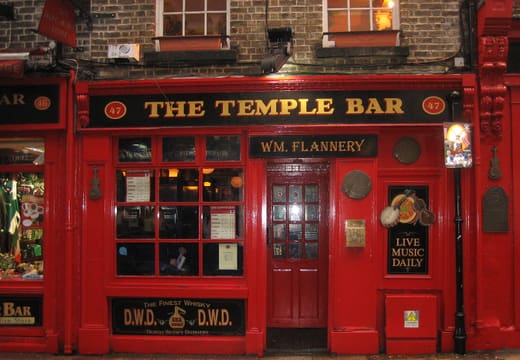
Grafton Street runs straight to St Stephen’s Green, which is free. Temple Bar is a short walk away. The Guinness Storehouse is a bus or Luas ride away, so allow time to get there. Dublin Castle is closed to the public until January 2027, according to the castle’s own site on 13 November 2026.

Frequently Asked Questions
What’s the best way to get from Dublin Airport to the city centre?
Take a coach. Dublin Express and Aircoach both pick up outside Terminal 1 and Terminal 2, and Aircoach says its 700 and 700X run 24 hours. Aircoach gives 20 to 40 minutes for the trip, depending on traffic.
What’s the cheapest way from Dublin Airport to the city centre?
Aircoach’s online fares start from €6 one way or €8 return. Dublin Bus routes 16 and 41 also serve the airport and accept a Leap Card, so check dublinbus.ie for the fare.
How much is a taxi from Dublin Airport to the city centre?
Dublin Airport estimates €30 to €45 to Dublin city. Taxis wait outside both terminals at all times and the meter sets the fare by distance, day and time.
Which is better, Dublin Express or Aircoach?
It depends on where you’re staying. Dublin Express stops at Trinity College, Aston Quay, the Custom House and Heuston Station. Aircoach stops at O’Connell Street, O’Connell Bridge and Kildare Street, and runs 24 hours on the 700 and 700X.
Is it worth getting a Leap Card?
For a week it is, since the weekly cap of €24.00 equals the 7 day Visitor Card price. For one or two days, a standard card with the €6.00 daily cap is the cheaper route if you don’t travel much.
Do I have to tap my Leap Card when getting off the bus?
No. On buses you tap on as you board and don’t tap off. On the Luas and DART you do tap off, and forgetting charges the maximum fare.
What happens if I forget to tap off my Leap Card?
On the Luas you’re charged the maximum fare. Tap off at the platform validator or station gate every time.
Can tourists get a Leap Card?
Yes. The Leap Visitor Card is for short stays and costs €8.00 for 1 day, €18.00 for 3 days or €24.00 for 7 days. It’s sold at Dublin Airport and several city centre shops, or posted to a home address if you order it online.
How many days do you need to tour Dublin?
The central sights sit close together and most visitors walk between them, so a day covers the core. Things to do in Dublin lists what’s worth the time.
Places in this guide
Photos show the actual places, licensed under Creative Commons and credited to their photographers.

Find hotels in Dublin
Browse live availability and compare prices for your dates.
See hotels near Dublin on Booking.comPrices are for the night of Saturday 28 November. You can change the dates on Booking.com. If you book, Roam Dublin earns a small commission from Stay22 at no extra cost to you.